
Your premium went up again at renewal, and your agent asked whether you have ever had a wind mitigation inspection on the house. The roof went on after Charley, the builder used hurricane straps, and nobody has ever written any of that down for the carrier. This site connects you by phone with an independent local contractor who handles wind mitigation in Charlotte County.
The inspector fills out Florida's uniform mitigation verification form, OIR-B1-1802, on your roof. They photograph and record the year and rating of the roof covering, how the deck is nailed and at what spacing, whether the roof-to-wall connection is toe-nails, clips, or straps, the roof shape, whether there is a sealed secondary water barrier under the covering, and how the windows and doors are protected.
Each line maps to a credit on the wind portion of a Florida homeowner policy, and carriers are required to apply the credits the form documents. The completed form goes to you or your agent, and the carrier applies it at the next renewal or sooner.
Pull the permit date for the roof and, if you have them, the closing papers or builder documents that mention straps or clips. Find your current policy declarations page so you can see what credits, if any, are already applied. Then call.
If a roof replacement is already on the calendar, call before it starts rather than after. Some of the credits only come with work that happens during a re-roof.
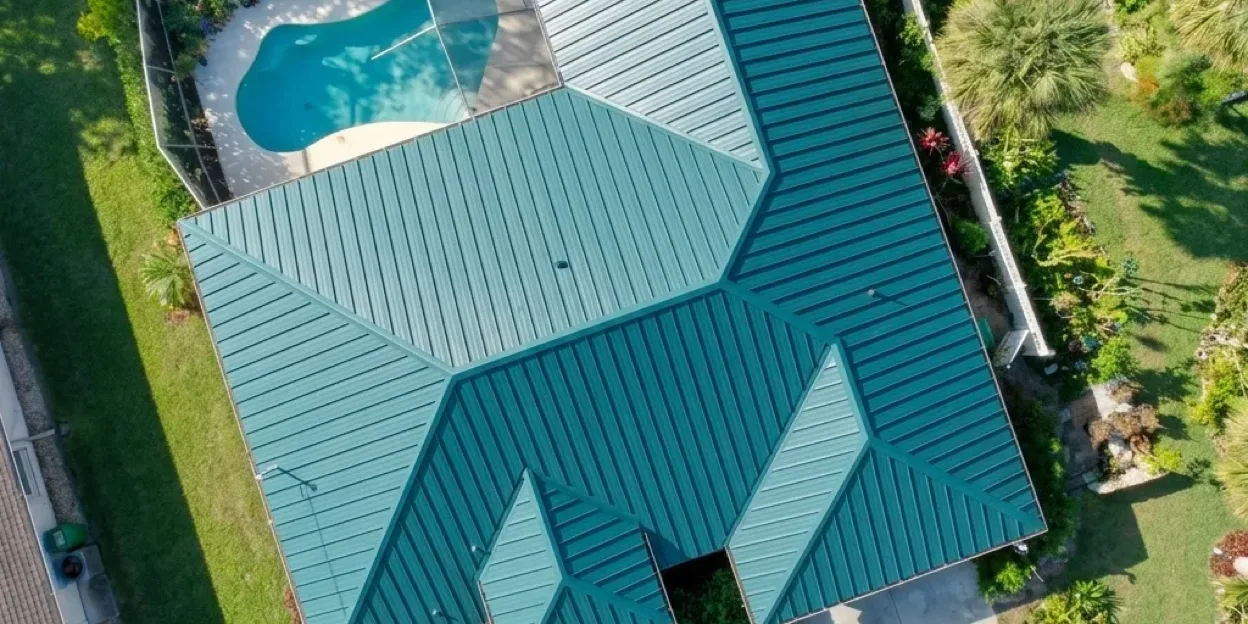
Roof shape cannot change without a different roof. A hip roof scores better than a gable, and that is the house you have. Roof-to-wall connections can sometimes be upgraded from the attic by adding straps or clips where the trusses meet the wall, and a contractor can tell you whether the attic allows it.
Deck re-nailing and a sealed secondary water barrier only happen with the roof off, which is why a roof replacement is the moment to think about mitigation. A rated covering installed to the current code earns its own line. Opening protection, meaning shutters or impact windows, is a separate project that the same form records.
Post-Charley roofs in this county were built to the hardened code that followed 2004, so clips, straps, and rated coverings are common. Many owners never filed the form, because the builder or the previous owner never handed it over. Pre-2004 homes on the Port Charlotte grid and in Charlotte Harbor and Harbour Heights often have toe-nailed trusses and plank decks, and they leave the most on the table with nothing documented.
The county's premiums reflect its landfall history, so each percentage point of credit is worth more in dollars here than inland. A form that is more than five years old is usually treated as expired by carriers, and a roof that was replaced after Ian or Milton needs a new one anyway. An inspection also pairs well with a roof inspection condition report when an insurer has asked about roof age. If a storm has damaged the roof since the last form, storm damage roofing comes first and the form comes after the repair.
The form belongs to you. This site is a connection service; the contractor performs the inspection, and your carrier applies the credits.
Have the address and the year the roof went on. Be ready to say whether you have an existing form and how old it is, whether a re-roof is planned, and whether the home has shutters or impact windows. Call (941) 294-6154.
 Standing by
Describe what you see in plain words. The call is routed to an independent local roofing contractor who works tile, metal, and shingle roofs in your part of Charlotte County.
Dated photos, a line-item scope, and a contractor at the adjuster visit, so the claim is about what the roof shows.
A leak traced to its real entry point, then the flashing, boot, tile, or shingle that let it in put right and photographed.
Tear-off to the deck, new underlayment, and tile, metal, or shingle fastened to the Florida Building Code, with the county permit pulled.